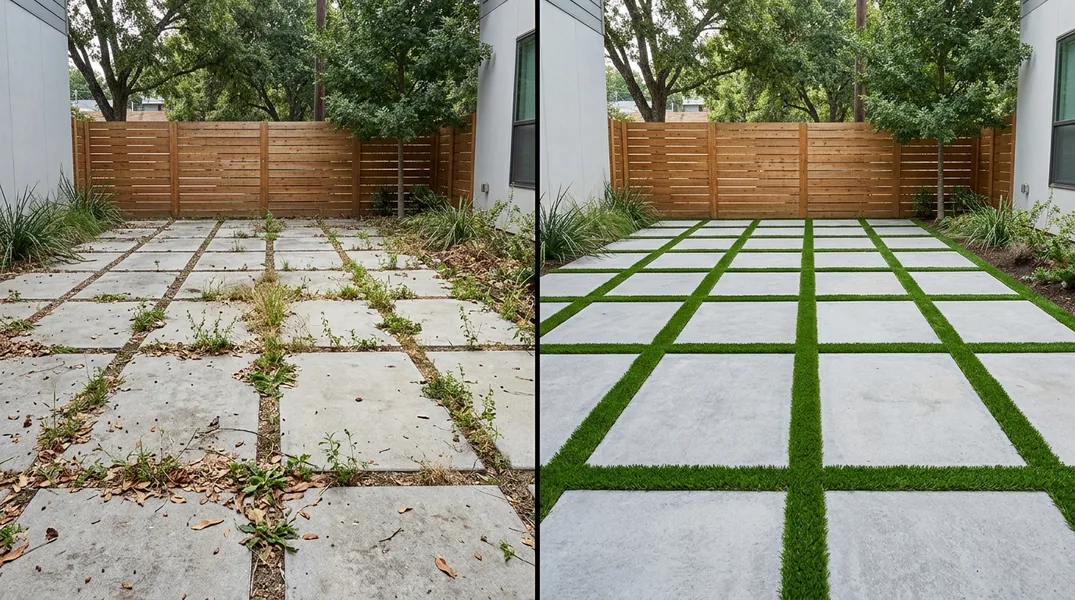
Understanding Lawn-to-Turf Conversion in Austin
If you're a homeowner in Austin considering the switch from natural grass to artificial turf, you're likely weighing the benefits of reduced maintenance, water conservation, and year-round aesthetic appeal. A lawn-to-turf conversion is more involved than simply laying down synthetic grass over your existing lawn. The process requires careful planning, professional expertise, and understanding what happens beneath the surface.
The journey from traditional grass to artificial turf involves multiple stages, each critical to the longevity and performance of your new lawn. From initial removal to final installation, every step plays a role in ensuring your investment looks beautiful and functions properly for years to come. Whether you're converting a small backyard or a larger residential space, knowing what to expect helps you make informed decisions and avoid costly mistakes.
The Turf Removal Process: What Happens First
The first and often most labor-intensive phase of any lawn-to-turf conversion is turf removal. This isn't simply mowing your grass short and laying new material on top. Professional Residential Artificial Grass Installation companies understand that removing the existing grass, roots, and top layer of soil is essential for proper drainage and a stable foundation. In Austin, where soil composition and drainage patterns vary significantly, this step cannot be overlooked.
During turf removal, crews typically strip away the top two to four inches of existing lawn, including the root system and thatch layer. This material is either hauled away or, in some cases, composted for reuse. Leaving old grass and roots in place creates an uneven surface, promotes settling over time, and can trap moisture that leads to mold and deterioration of your new artificial grass. The removal process exposes the subgrade, which is then inspected for compaction, debris, and any underlying issues that need correction before installation proceeds.
Base Preparation: The Foundation of Your New Lawn
Once the old lawn is removed, proper base preparation becomes your next critical step. A well-prepared base is what separates a professional installation from a DIY disaster. The subgrade must be graded to ensure proper water drainage, compacted to prevent settling, and leveled to create an even surface. In areas with heavy clay soil or poor drainage, a crushed stone or recycled asphalt base layer is added to facilitate water runoff and prevent pooling beneath your new turf.
Austin's climate and soil conditions make base prep especially important. Heavy summer rains can cause water to pool on improperly prepared surfaces, leading to mold growth and turf deterioration. Professional installers use laser levels and compaction equipment to ensure the base is perfectly graded and firm. A typical base consists of four to six inches of compacted material, depending on your yard's existing conditions and drainage needs. This foundation work might seem tedious, but it's the difference between a lawn that looks great for two years and one that maintains its appearance and functionality for ten to fifteen years.
Installation Timeline: What to Expect from Start to Finish
The complete lawn-to-turf conversion timeline typically spans one to three weeks, depending on yard size, complexity, and weather conditions. Smaller residential projects in Austin might be completed in just a few days, while larger installations or those requiring extensive base work may take longer. The actual installation day, once removal and prep are complete, often takes only one to two days for most residential properties.
Weather plays a significant role in the timeline. Heavy rain can delay base preparation and installation, as wet soil is difficult to compact properly and artificial grass should not be installed on wet surfaces. Austin's heat can actually work in your favor during installation, as warmer temperatures make the synthetic grass more pliable and easier to seam and secure. Most crews recommend avoiding installation during extreme weather conditions to ensure the best results. Once your new turf is installed, you can typically use your lawn immediately, though most professionals recommend allowing the seams and adhesives to fully cure before putting heavy use on the surface.
Residential Artificial Grass Installation Cost in Austin: What to Budget
The cost of a lawn-to-turf conversion in Austin depends on several factors, including yard size, existing soil conditions, base preparation requirements, and the quality of artificial grass selected. On average, homeowners can expect to invest between two to six dollars per square foot for the complete project, though this varies widely. A typical residential yard of 1,500 square feet might range from three thousand to nine thousand dollars, depending on scope and material choices.
Your pricing will include turf removal, base preparation, the artificial grass material itself, installation labor, and finishing touches like edge restraints. While artificial grass represents a higher upfront investment than maintaining natural grass, most homeowners recover costs within five to seven years through reduced water bills, eliminated fertilizer and pesticide expenses, and minimal maintenance requirements. For specific details about what your project might cost, Austin Turf Installation encourages you to request a free estimate by calling (737) 273-9578. Our team will assess your yard and provide transparent, detailed pricing.
Beyond Basic Lawns: Specialized Turf Conversions
If you're converting your outdoor space for specific purposes, artificial grass offers flexibility beyond standard residential lawns. Pet Turf and Dog Run Installation has become increasingly popular among Austin homeowners with dogs, as synthetic grass provides a clean, durable surface that's easy to sanitize and maintain. Similarly, if you're an avid golfer, Putting Green Installation allows you to practice your short game at home with a realistic playing surface.
For homeowners with pools, Pool Surround Turf offers a non-slip, comfortable surface that stays cool underfoot and requires no maintenance. Each of these specialized applications follows the same fundamental conversion process, removal, and base preparation steps, but with tailored material selection and installation techniques. Whatever your vision for your outdoor space, the lawn-to-turf conversion process remains consistent in its commitment to quality and longevity.
Getting Started with Your Conversion Project
Choosing to convert your lawn to artificial turf is a significant decision that deserves professional guidance. Austin Turf Installation has helped hundreds of homeowners throughout Austin make this transition successfully, and we're ready to help you too. The process is straightforward when you work with experienced installers who understand local soil conditions, drainage requirements, and the unique demands of Austin's climate.
If you're ready to learn more about your lawn-to-turf conversion options, contact Austin Turf Installation today at (737) 273-9578 or visit our website to request a free estimate. Our team will walk you through every stage of the process, answer your questions, and provide a clear timeline and budget for your project. Your new artificial lawn is just a phone call away.
Looking for a professional artificial grass installation company in Austin? Austin Turf Installation responds fast for all your artificial grass installation needs.
Get a Free Quote